A Crisis in Our Schools: Why Structured Mental Health Support With Transparent Access Matters
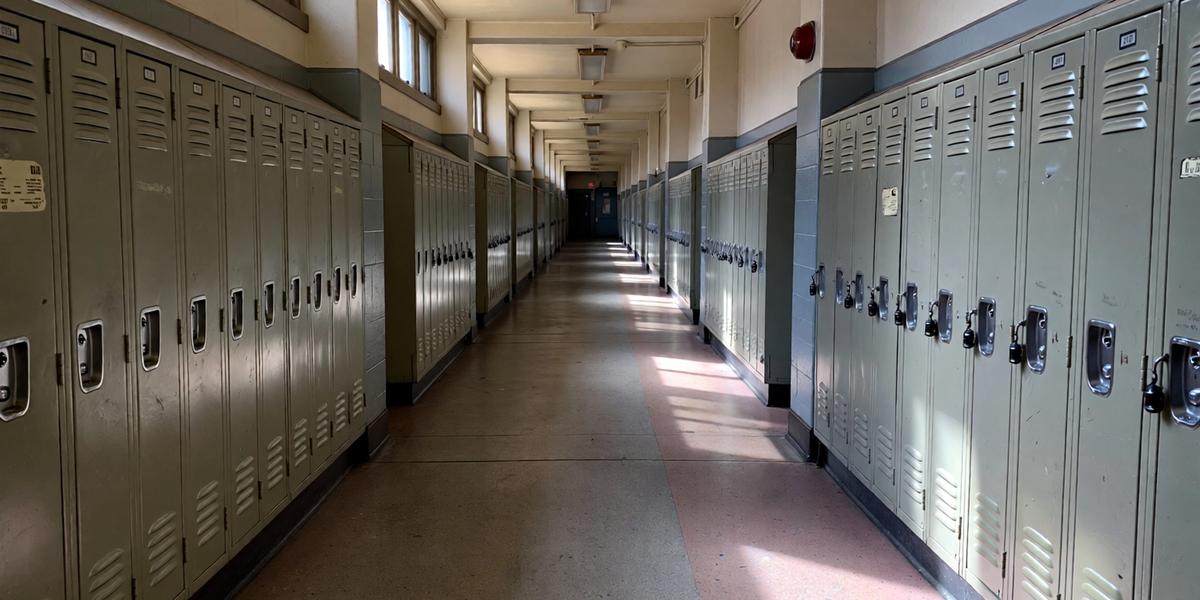
The recent deaths of two adolescents at private schools in New York City have reverberated far beyond their campuses. While the specific circumstances of each tragedy remain under investigation, these events occur against a backdrop of widespread mental health distress among young people — a public health challenge that demands a thoughtful, evidence-based response from parents, educators, clinicians, and policymakers alike.
Mental Health by the Numbers: Rising Emotional Distress Among Youth
Data from federal health surveys paint a stark picture of adolescent emotional health:
- In national surveys, 40% of U.S. high school students reported persistent feelings of sadness or hopelessness, and 20% seriously considered attempting suicide during the past year. CDC
- Nearly 1 in 5 adolescents ages 12–17 experienced a major depressive episode in the past year — roughly 4.5 million young people. The Annie E. Casey Foundation
- Suicide remains one of the leading causes of death among young people: it is the second leading cause of death for children, adolescents, and young adults ages 10–24. AACAP
- Globally, suicide is the third leading cause of death for older adolescents and young adults (15–29 years). World Health Organization
These figures reflect a deeper trend: young people today are facing emotional stressors that often exceed the coping resources available to them at school, at home, and in their communities.
A System Strained: Limited Access to Support in Schools
Despite these alarming trends, meaningful support within schools remains uneven and inadequate:
- The National Association of School Psychologists recommends a ratio of 1 psychologist for every 500 students. Yet in practice, the average is more than double that — roughly 1 psychologist per 1,065 students nationwide. Learning Policy Institute+1
- Similarly, while the American School Counselor Association recommends 1 counselor per 250 students, the national average far exceeds this benchmark — often 376 or even 450 students per counselor in various estimates. Learning Policy Institute+1
- Even among public schools, roughly half report providing diagnostic mental health assessment services, and fewer still offer consistent treatment services. National Center for Education Statistics
In other words, many schools are expected to serve as first responders to emotional distress while lacking the staffing and infrastructure to intervene early or effectively.
Barriers to Care Beyond the Classroom
Access challenges are not limited to schools alone. Outside the school setting, families often encounter additional obstacles:
- More than half of youth with mental health conditions do not receive needed treatment — often because of barriers like long wait times, insurance issues, unclear pathways to care, or uncertain costs. McKinsey & Company
- Mental health disorders such as anxiety and depression are common: roughly 11% of children ages 3–17 have diagnosed anxiety, and 4% have diagnosed depression. CDC
These barriers are not abstract statistics — they translate into real delays in identifying emotional distress, securing assessment, and initiating treatment before problems escalate.
Why Transparent Access Matters
One of the most overlooked but fundamental barriers to mental health care is financial uncertainty and opaque access. Too often, families seeking help for a child’s emotional struggles face:
- Unknown therapy costs billed after the fact
- Insurance coverage that is unclear or partial
- Long wait times for appointments
- Confusion about who is qualified and what services are appropriate
Transparent access — where families know upfront what services cost, who provides them, and how to schedule care — changes everything. Clear pricing and pathways reduce hesitation, empower families to act early, and build trust between clinicians and communities.
From Crisis to Prevention: What Works
A growing body of research suggests several evidence-aligned strategies for supporting youth mental health:
1. School-Based Support Structures
Schools can augment counseling services with structured programs that include mental health screening, partnerships with licensed clinicians, peer support initiatives, and teacher training in early identification.
2. Low-Barrier Access to Licensed Professionals
Access to licensed psychologists and clinical social workers with clear cost expectations creates a bridge between early warning signs and evidence-based care. This is especially important given the prevalence of depressive symptoms and suicidal ideation noted above.
3. Family and Community Engagement
Programs that involve parents and caregivers in understanding emotional health, recognizing risk factors, and navigating care options help destigmatize help-seeking and reinforce protective relationships.
4. Data-Driven Interventions
Ongoing tracking of mental health indicators within school populations can help identify trends before they escalate into emergencies.
A Call to Act With Compassion and Evidence
The tragedies we have seen in recent weeks are heartbreaking and must be met with empathy first and foremost. But they are also a reminder that adolescent mental health — long underrecognized and under-resourced — deserves sustained, structured investment.
We owe it to our children not only to respond compassionately after a crisis, but to build systems that prevent one whenever possible. That means:
- Prioritizing ongoing access to mental health professionals within and outside schools
- Demanding transparent pathways and pricing for care
- Supporting families and educators with evidence-based tools
- Reducing stigma so that asking for help becomes a sign of strength, not shame
At Doctör, we believe that mental health care should be predictable, accessible, and transparent, especially for families navigating difficult moments. Structured support — not silence — can save lives.
If You or a Child Needs Immediate Help
If you are worried about a child or adolescent’s mental health, do not wait for certainty. Immediate, confidential help is available 24/7:
- 988 Suicide & Crisis Lifeline (U.S.)
Call or text 988 or chat via 988lifeline.org
Available nationwide for anyone in emotional distress or crisis. - NYC WELL
Call 1-888-NYC-WELL (1-888-692-9355)
Text “WELL” to 65173
Free, confidential mental health support and referrals for New York City residents. - Crisis Text Line
Text HOME to 741741
Connects individuals in crisis with trained crisis counselors via text.
If someone is in immediate danger, call 911.
Seeking help is not a failure — it is an essential step in protecting a life.