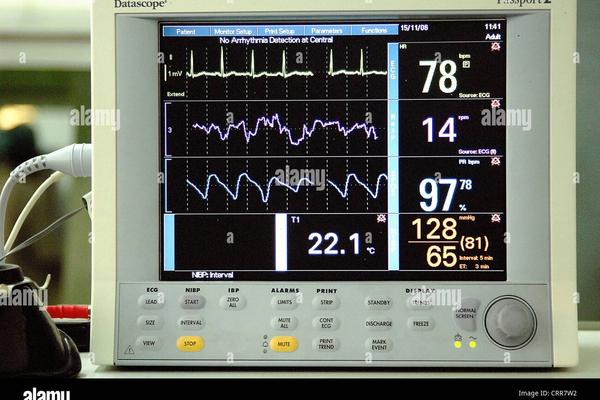
When Silence Isn’t Reassurance: The Case for Preventive EKG Screening in Children
A healthy-looking child can still have an undetected heart rhythm issue. Dr. Patrick Flynn on why preventive EKG screening catches what physicals miss.

For many parents, the heart is the last place they expect to encounter uncertainty — especially when their child appears healthy and active.
Yet in pediatric cardiac care, silence is not always reassurance.
Many potentially serious heart conditions don’t produce obvious symptoms early on, especially in children and adolescents. Relying solely on symptoms or standard sports physicals may miss important clues about a child’s heart health before exertion reveals them.
This is why preventive EKG screening matters — it gives families and clinicians an additional lens to understand cardiac risk before a moment of crisis.
Why Standard Exams Can Miss Subtle Cardiac Risk
Routine school or sports physicals are designed to assess general health and readiness for activity. They rely on:
- listening to the heart with a stethoscope
- basic vitals
- questions about symptoms or family history
These examinations are important — but they do not directly assess how the heart’s electrical system is functioning.
An electrocardiogram (EKG) does.
What an EKG Detects
An EKG is a quick, non-invasive test that records the heart’s electrical activity. It can reveal abnormalities that may not be evident on physical exam alone, including:
- irregular heart rhythms
- conduction delays
- early signs of cardiomyopathy
- patterns associated with sudden cardiac risk
In young athletes, the absence of symptoms does not guarantee the absence of electrical or structural irregularities. An EKG adds valuable information that can guide follow-up evaluation or reassure families when findings are normal.
The Athletic Heart vs. The At-Risk Heart
Exercise changes the heart. In trained athletes, normal adaptations such as increased chamber size or slower resting heart rates may be mistaken for pathology — or conversely, subtle abnormal patterns may be dismissed as “athletic changes.”
Preventive screening helps clinicians differentiate between:
- normal athletic adaptation and
- early indicators of possible cardiac concern
This distinction matters because the management and monitoring strategies differ dramatically.
Who Should Consider Preventive EKG Screening?
Preventive EKG screening can be particularly valuable for:
- youth athletes in competitive or high-intensity sports
- adolescents increasing training load
- children with unexplained fatigue, dizziness, or near-syncope
- families with a history of heart disease, sudden cardiac events, or genetic cardiac conditions
Importantly, screening is not limited to those with symptoms — it is about gathering more information early, when decisions are easier and outcomes are better.
Clarity Reduces Anxiety
One of the most common concerns parents express is fear of “finding something scary.” Yet in practice:
- the majority of preventive EKGs are normal, and
- normal results provide peace of mind and confidence in safe participation
When abnormalities are found, early detection facilitates targeted follow-up — not blanket restrictions or undue alarm.
It turns uncertainty into understanding.
A Preventive Step That’s Fast, Painless, and Insightful
An EKG is:
- non-invasive
- quick (often under 10 minutes)
- widely accessible
For many families, it provides clarity that symptoms alone cannot.
Understanding the heart before symptoms occur — instead of reacting after — aligns with how we approach health in every other domain: early information leads to better outcomes.
Book a Preventive EKG Screening
If you want clarity about your child’s heart health before unexplained symptoms or exercise demand raise questions, an EKG screening may be the right next step.
Preventive EKG Screening 💲 $165 ⏱ Quick, non-invasive, results you can act on
👉 Book your EKG now here
Preventive care isn’t about fear — it’s about informed action and peace of mind.
About the Author
Dr. Patrick Flynn is a board-certified pediatric cardiologist with extensive experience evaluating heart conditions in children, adolescents, and young athletes. He specializes in identifying subtle, often overlooked cardiac signs that can impact a child’s health, safety, and athletic participation. Dr. Flynn is known for his thoughtful, prevention-focused approach, helping families understand when symptoms warrant further evaluation and when reassurance is appropriate. His goal is to empower parents with clear, evidence-based guidance so they can make informed decisions about their child’s heart health—before problems become emergencies.
Learn More About Dr. Patrick Flynn, Pediatric Cardiology by clicking here.